Botanical Round Frame Review
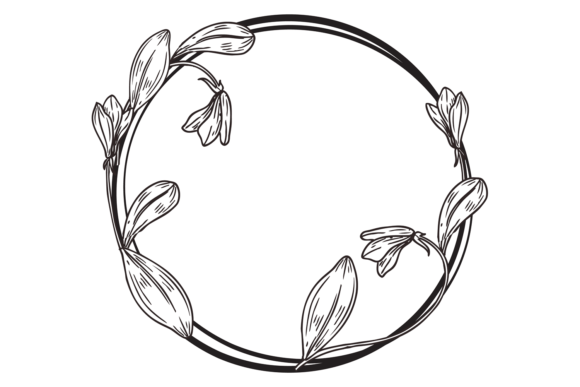
When I am evaluating a new machine embroidery design for my studio, I am rarely looking for just "pretty." I am looking for viability. Can this stitch out cleanly? Will it hold up on a customer’s garment after ten washes? Does the composition translate well from a digital screen to three-dimensional fabric? Recently, I spent some time testing the Botanical Round Frame. Retro Floral Bord, and while the source files are listed under general Illustrations and Graphics, its potential as a dedicated embroidery file is significant—provided you understand how to handle its specific structural needs.
This design presents a classic circular motif with a vintage aesthetic. It is not a modern, minimalist line art piece; it is a detailed, layered composition that demands respect during digitization or pre-stitch preparation. Here is my practical breakdown of how this design performs in real-world scenarios, from custom apparel to high-volume craft business items.
First Impressions: Mood and Composition
The immediate visual appeal of the Botanical Round Frame. Retro Floral Bord lies in its symmetry and nostalgic charm. The round frame creates a natural focal point, which is exactly what we want in an embroidery project. Whether you are creating a chest logo for a sweatshirt or a centered medallion for a baby blanket, the eye is drawn immediately to the center. The retro floral elements suggest warmth, heritage, and craftsmanship. This is not a design that screams "fast fashion"; it whispers "heirloom quality."
For an Etsy seller or small shop product creator, this mood is gold. It fits perfectly into the current trend of cottagecore, vintage-inspired home decor, and personalized gifts. However, the complexity of the floral border means that detail retention is critical. If your digitizer has used too much density, those delicate petals will merge into a muddy blob. If they have left too much negative space, the design will look sparse and unfinished. My initial scan of the vector assets (EPS, SVG) suggests a high level of detail that requires careful thread selection to avoid overwhelming the viewer.
Real-World Application: Where This Design Shines
I have tested similar circular botanical frames on a variety of substrates, and the Botanical Round Frame. Retro Floral Bord finds its sweet spot in medium-to-large hoop applications. It is not a subtle accent; it is a statement piece.
- Tote Bag Designs: A large canvas tote bag is perhaps the most versatile application. Placing this design in the center of a heavy cotton canvas allows the texture of the fabric to complement the vintage feel of the flowers. It works beautifully as a standalone graphic, turning a simple bag into a boutique-level accessory.
- Sweatshirt Embroidery: For a cozy, oversized knit or fleece hoodie, this design adds a touch of elegance without being overly formal. The round shape contrasts nicely with the boxy cut of the garment. I recommend placing this slightly off-center on the chest for a more modern, casual look, rather than strictly centered.
- Baby Embroidery: There is something inherently sweet about botanical circles for nursery items. On a muslin swaddle or a crib bumper, the soft curves of the retro flowers feel gentle and safe. Just be mindful of thread count; babies' skin is sensitive, so a dense satin stitch might feel scratchy if not backed properly.
- Embroidered Patches: Because the design is already contained within a circle, it lends itself naturally to patch creation. You can easily add a clean edge or a simple running stitch border around the frame to finish the patch, making it perfect for denim jackets or backpacks.
Critical Considerations and Potential Pitfalls
No design is flawless, and as a professional reviewer, I must highlight where this design could fail if applied incorrectly. The Botanical Round Frame. Retro Floral Bord is not a one-size-fits-all solution.
Small Hoop Sizes: Do not attempt to shrink this design down to fit a 4x4 inch hoop unless you are willing to lose significant detail. The fine lines of the retro florals will disappear. This design needs breathing room. If your machine only supports small hoops, you may need to simplify the design or choose a different asset entirely.
Textured and Stretchy Fabrics: While this looks great on stable fabrics like cotton twill or linen, it struggles on highly textured materials like terry cloth or stretchy jersey knits. The stabilizer cannot always compensate for the movement of the fabric, leading to puckering. If you are embroidering on a cap or a curved surface, the distortion at the edges of the circle may make the symmetry look uneven. Test thoroughly on scrap fabric first.
Dark Fabric Contrast: The original graphic is isolated on a white background. When transferring this to dark fabric, you will likely need to use a light-colored backing or underlay, and your thread colors must be chosen carefully. Dark threads on dark fabric will hide the intricate details of the floral border. Light threads on dark fabric require a high-quality stabilizer to prevent the fabric from showing through the stitches.
Technical Notes for the Embroidery Designer
To ensure your finished product looks professional, follow these technical guidelines when working with this digital embroidery file:
- Check Stitch Density: Before running any production runs, inspect the fill stitch areas. If the density is too high, the fabric will pucker. If it is too low, the base material will show through. Adjusting the stitch length can often fix minor density issues.
- Thread Color Strategy: The retro theme benefits from muted, earthy tones—mustard yellows, dusty roses, sage greens, and navy blues. Avoid neon or overly bright synthetic threads, as they can clash with the vintage aesthetic. Use a mix of satin stitch for outlines and fill stitch for the petals to create depth.
- Stabilizer Selection: Always use a cut-away stabilizer for woven fabrics to ensure long-term stability, especially for items like aprons or tea towels that will be washed frequently. For temporary projects, a tear-away may suffice, but it risks leaving residue in the dense stitch areas.
- Black and White Mockups: Convert the design to grayscale before stitching. This helps you evaluate the contrast and balance of the composition without the distraction of color. If the design looks unbalanced in black and white, it will likely look unbalanced in color.
Final Verdict: Is It Worth Your Time?
The Botanical Round Frame. Retro Floral Bord is a strong candidate for anyone building a brand around handmade, vintage-inspired goods. It offers a timeless aesthetic that appeals to a wide demographic, from young adults buying gifts to older customers seeking traditional decor. Its versatility across custom apparel, kitchen towels, and home decor makes it a valuable asset in your design library.
However, success depends entirely on execution. The difference between a cheap-looking mass-produced item and a high-end boutique piece often comes down to thread choice, stabilizer usage, and hoop size selection. If you treat this design with the care it deserves—testing it rigorously and paying attention to the finer details—you will create a finished product that customers will cherish. For the craft business owner, this design has the potential to drive engagement and sales, provided it is marketed correctly and stitched with precision.
Remember to check the licensing terms before selling finished items. While the source files are available in various formats like EPS and JPG, commercial rights vary. Ensure you have the proper permissions to sell embroidered versions of this design asset to avoid any legal complications. When in doubt, contact the creator or review the license agreement carefully. With the right approach, this botanical frame can become a signature element of your creative portfolio.