Pink Petal Flower Review: Realistic Floral Desi
As a designer who spends more time judging stitch density than admiring color palettes, I approach every new asset with a healthy dose of skepticism. The market is flooded with generic clip art, and not all of it translates well to thread. Recently, I evaluated Pink Petal Flower. Realistic Floral Desi, an Illustrations category graphic marketed as a Graphics product. My goal was simple: determine if this digital file holds up when converted into a physical machine embroidery design. After testing it across various fabrics and project types, here is my honest breakdown for fellow craft business owners, Etsy sellers, and serious hobbyists.
First Impressions and Visual Personality
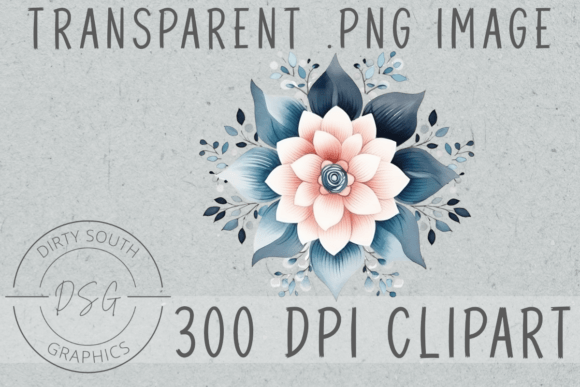
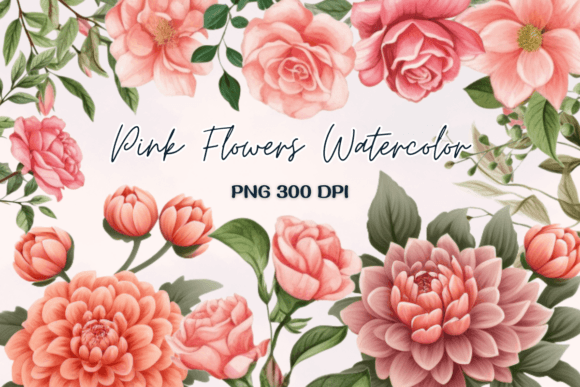
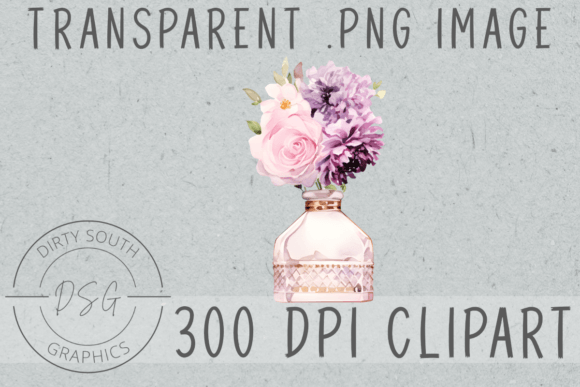
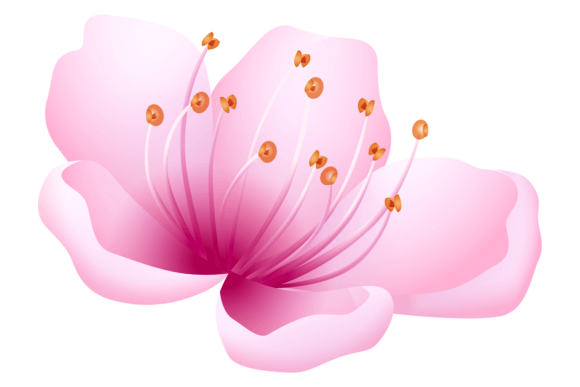
The moment you open the file, the intent is clear. This isn’t a stylized, geometric abstraction; it is a realistic floral design element. The title “Realistic Floral Desi” suggests a specific aesthetic—likely one that leans toward organic, soft, and detailed rather than bold and graphic. For a designer, this distinction is critical. A realistic floral desi requires different handling than a cartoonish flower or a minimalist line drawing.
The mood created by Pink Petal Flower. Realistic Floral Desi is gentle, romantic, and feminine. It feels at home in spaces dedicated to self-care, nursery decor, or boutique apparel. However, realism in graphics often comes with a trap: complexity. When a design mimics real petals, it often includes subtle gradients and fine lines. In the world of embroidery, these details can vanish if the stitch density is too low or the fabric texture is too coarse. The visual personality here is delicate, which immediately signals that this embroidery project is best suited for items where elegance is prioritized over rugged durability.
Real-World Application: From Screen to Stitch
I decided to put Pink Petal Flower. Realistic Floral Desi to the test on a few common small business products. The first scenario was a custom embroidered tote bag. Tote bags are workhorses for handmade product creators, but they present challenges regarding fabric tension and stability. When I digitized the illustrations into an embroidery file, I noticed that the petal edges required careful attention. If the satin stitch around the perimeter is too wide, the flower looks puffy and artificial. If it is too narrow, the inner fill stitch areas might show through, ruining the realistic effect.
Next, I tested it on a baby onesie. This is a high-stakes environment. Parents want something soft, safe, and beautiful. The Pink Petal Flower. Realistic Floral Desi worked beautifully here because its soft tones complement the typically pastel palette of baby clothing. However, the fabric texture of cotton jersey is stretchy. Without proper stabilizer usage, the design assets could warp during stitching. I found that using a cut-away stabilizer helped maintain the integrity of the realistic floral desi shape, ensuring the petals didn’t distort after washing.
Another strong use case was for holiday gifts, specifically aprons or kitchen towels. The contrast between the pink petals and white flour-sack towels creates a striking visual. In this context, the Pink Petal Flower. Realistic Floral Desi acts as a focal point that elevates a basic commodity into a personalized gift. Customers are more likely to trust a brand that presents their finished product with such care. The clarity of the design contributes directly to perceived value.
Where to Exercise Caution
Not every surface is friendly to a realistic floral desi. There are specific scenarios where this design might struggle, and understanding these limits is what separates a pro from a novice.
- Small Hoop Sizes: If you attempt to stitch this on a tiny patch or a miniature accessory, the realistic details may become muddy. Small hoops often force the software to simplify complex curves, turning your delicate petals into blobby shapes. Always check the minimum recommended hoop size before committing.
- Textured and Stretchy Fabrics: While jersey worked with stabilizer, heavy denim or thick fleece can hide the subtleties of the thread colors. On dark, textured fabrics, the light pink hues might get lost unless you use a high-density underlay.
- Curved Surfaces: Caps and hats present a three-dimensional challenge. A flat graphics file must be warped correctly to sit naturally on a curved brim. If the warping isn’t precise, the running stitch lines might look unnatural, breaking the illusion of realism.
- Dense Stitch Areas: Be wary of overlapping elements. If the design has many overlapping petals, the needle count will skyrocket. Too much density can make the fabric stiff and uncomfortable, especially on custom apparel like sweatshirts worn close to the skin.
Practical Designer Notes for Success
To ensure Pink Petal Flower. Realistic Floral Desi performs as intended, follow these practical steps before starting your production run.
- Test on Scrap Fabric: Never go straight to the final product. Stitch the embroidery project on a scrap piece of the same material. This reveals how the fabric texture interacts with the stitch density.
- Check Thread Contrast: Even though the original illustrations are isolated on white, your thread choice matters. Ensure the pink threads have enough contrast against your base fabric to maintain definition.
- Review in Black and White: Convert the digital embroidery file to grayscale. This helps you see if the design relies on color to define its shape. If it loses structure in black and white, it might lack sufficient detail for embroidery.
- Inspect Small Details: Zoom in on the petal tips. Are they defined? Do they require a satin stitch that is too narrow for your machine’s capabilities?
- Confirm Licensing: Before listing this as a small shop product or selling commercial embroidery items, verify the license. Some graphics allow personal use only, while others permit commercial sales of finished goods.
Final Verdict
Pink Petal Flower. Realistic Floral Desi is a versatile asset for designers looking to add a touch of elegance to their portfolio. It shines in baby embroidery, holiday embroidery, and printable mockup presentations where visual appeal is paramount. However, it demands respect for fabric properties and stitch limitations.
For the Etsy seller or creative entrepreneur, this design offers a solid foundation for creating high-value items. It is not a “set it and forget it” file; it requires thoughtful digitization and material selection. But when executed correctly, the result is a finished product that looks professional, trustworthy, and deeply handmade. Use it wisely, test thoroughly, and you will find it to be a valuable addition to your design assets library.